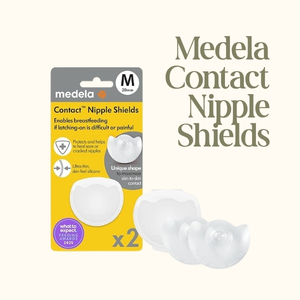
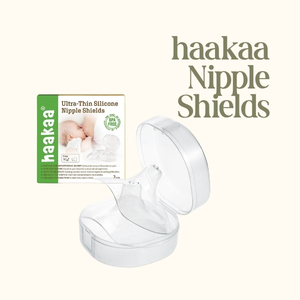
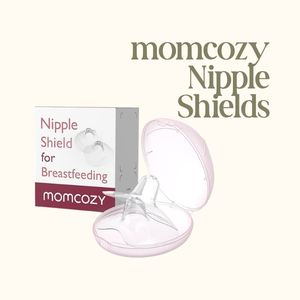
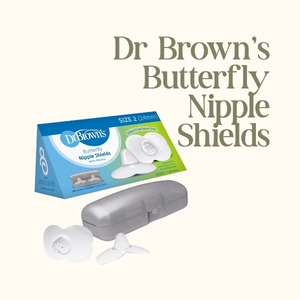
What Is a Contact Nipple Shield?
A contact nipple shield is a thin, flexible silicone cover that sits over your nipple during feeding. It:
- Gently draws out flat or inverted nipples
- Gives your baby something easier to latch onto
- Still allows skin-to-skin contact
Think of it as a temporary bridge while you and your baby figure things out together.
Why It Helps So Much in Week One
1. It Gives Baby Something to Latch Onto
If your nipple isn’t protruding yet, your baby may struggle to stay latched. The shield creates a shape that’s easier for them to grab — reducing frustration on both sides.
2. It Reduces Pain While You Heal
Let’s be honest: early breastfeeding can hurt. If you’re dealing with:
- Cracked nipples
- Bleeding
- Extreme sensitivity
The shield acts as a barrier, giving your skin time to recover while you continue feeding.
3. It Builds Confidence (When You’re Ready to Quit)
There’s something incredibly emotional about finally seeing your baby latch — even with help. It shifts everything from:
- “Why can’t I do this?”
to - “Okay… maybe we can do this.”
And that mindset shift matters more than people realise.
4. It Buys You Time
Breastfeeding is a learning curve — for both you and your baby. The nipple shield doesn’t have to be forever.
It just:
- Takes the pressure off
- Helps your baby practice
- Gives your body time to adjust
Many moms gradually wean off it once latch improves.
The Part No One Talks About
Using a nipple shield can come with mixed emotions. You might think:
- “Am I doing this wrong?”
- “Shouldn’t this be natural?”
- “Why do I need help?”
But here’s the truth:
👉 Needing support in week one is completely normal.
Your body just went through birth.
Your baby is brand new to feeding.
Nothing about this is supposed to be perfect right away.
What This Can Look Like in Real Life
Instead of:
- Painful, repeated failed latch attempts
- A hungry, frustrated baby
- You feeling overwhelmed and defeated
You might get:
- A successful latch (even if it’s assisted)
- A calmer feeding experience
- A little bit of relief and reassurance
And sometimes, that’s all you need to keep going.
Is It Right for Everyone?
Not necessarily — but it can be especially helpful if:
- You have flat or inverted nipples
- Your baby struggles to stay latched
- You’re experiencing significant nipple pain
- You’re close to giving up in the first few days
If you’re unsure, a midwife or lactation consultant can guide you on using it correctly.
The Honest Truth
Breastfeeding can be beautiful. But in the beginning? It’s often messy, emotional, painful, and uncertain. And having the right support tools — even simple ones — can change everything.
If you’re heading into postpartum, here’s what I want you to know:
- Struggling to latch is incredibly common
- Flat or inverted nipples can make it harder — but not impossible
- Tools like a nipple shield are support, not failure
And sometimes…
The product no one talks about is the one that helps you get through the hardest days.