
How to Prepare Your Dog for a New Baby: Step‑by‑Step Guide for New Parents
Bringing home a newborn is an exciting but challenging time — and it’s not just your life that’s changing. Your dog’s world is about to change too. Dogs thrive on routine, and a crying baby, new smells, and less attention can be confusing or stressful for them.
If you’re pregnant and wondering how to prepare your dog for a new baby, you’re not alone. Many parents worry about how their dog will react and what steps to take before the baby arrives. I’m currently preparing my own dog, and I want to share exactly what I’m doing to make the transition as smooth and safe as possible for everyone in our home.
Why Preparing Your Dog Before Baby Arrives Matters
Dogs are highly perceptive. They notice changes in your routine, mood, and environment long before a baby arrives. Without preparation, dogs can become anxious, jealous, or even act out in ways that might be unsafe around a newborn.
By starting early, you help your dog:
- Adjust to new routines
- Feel comfortable with baby sounds and smells
- Learn boundaries around baby spaces
- Remain calm and relaxed during transitions
Think of it as training for the biggest life change your dog will experience.
Step 1: Start Adjusting Routines Early
Routine changes are one of the hardest things for dogs to handle. Start gradually adjusting feeding, walking, and play schedules to match the routines you’ll have once the baby arrives.
For example:
- Feed meals earlier or later to match your future schedule
- Walk your dog at times when you’ll also need to take care of the baby
- Reduce attention slowly, so your dog doesn’t feel ignored
If your dog needs more structure, a programmable automatic feeder can help maintain routine even when you’re busy with the baby.

Step 2: Teach Calm Behavior Around Baby Sounds
Newborns make a lot of noise — crying, cooing, squealing. To prevent your dog from reacting anxiously:
- Start playing recordings of baby sounds at low volume.
- Reward calm behavior with treats and praise.
- Gradually increase volume over a few weeks.
This will help your dog associate baby noises with positive experiences rather than stress.

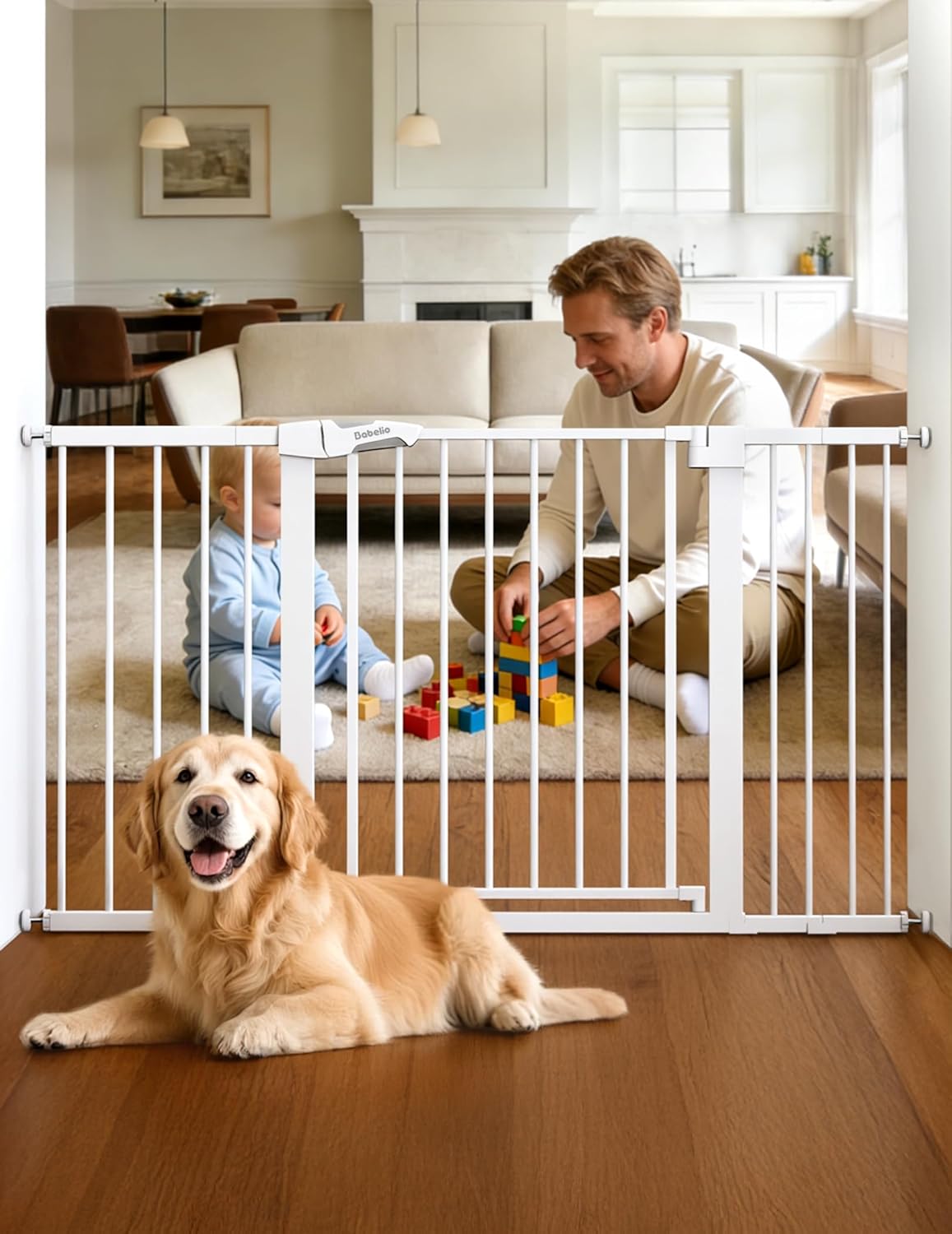
Step 3: Create Safe Spaces for Your Dog
Before the baby comes, identify a safe, quiet space your dog can retreat to. This could be:
- A crate
- A gated-off corner with a comfortable bed
- A separate room
Dogs that have a safe retreat are less likely to act out or become anxious when the baby is present.
Step 4: Practice Walking With a Stroller
If you plan to take walks with a stroller, start practicing with an empty stroller weeks before the baby arrives.
Tips:
- Let your dog sniff and explore the stroller
- Walk slowly and reward calm behavior
- Consider a no-pull harness for safety

Step 5: Reinforce Obedience Training
Basic commands like sit, stay, leave it, and wait are crucial when introducing a newborn. Dogs that respond reliably are safer and more confident.
- Revisit commands daily
- Reward consistent behavior
- Gradually increase distractions
Step 6: Introduce Baby Smells Early
Dogs rely heavily on smell. Before the baby arrives:
- Introduce baby lotions, wipes, and clothing to your dog
- Let your dog sniff blankets or onesies
- Reward calm curiosity
This makes the baby’s scent familiar and reduces stress when the real newborn arrives.
Step 7: Plan the First Meeting Carefully
When the baby comes home, your dog’s first interaction is crucial. Steps to make it positive:
- Have the dog on a leash initially
- Let them observe from a distance
- Reward calm behavior
- Allow gentle supervised sniffing
Step 8: Keep Your Dog Mentally and Physically Stimulated
A tired dog is a calm dog. Even with a newborn, find ways to:
- Give short, regular walks
- Offer puzzle toys or chew toys
- Play brief games of fetch or tug

Step 9: Monitor Your Dog’s Stress Levels
Watch for stress signs:
- Panting
- Pacing
- Excessive licking or chewing
- Hiding
If stress is severe, consult a professional dog trainer or vet.
Final Thoughts
Preparing your dog for a new baby takes patience, consistency, and early planning. Every dog is different, but the steps above help create a safe, calm, and happy environment for both your dog and newborn.
I’d love to hear from other parents — how are you preparing your dog for your baby? Share your experiences in the comments!
FAQ: Dogs and New Babies
Can dogs get jealous of a new baby?
Yes, many dogs may feel stressed or neglected. Gradual preparation and consistent attention can prevent jealousy.
Should I introduce my dog to the baby immediately?
Introduce them slowly with supervision, letting the dog sniff baby items first.
What if my dog shows anxiety around the baby?
Professional dog trainers can guide you, and calming products like anxiety wraps may help.